Open the Secrets of Fish Filleting With a High-Quality Fillet Blade: Tips and Techniques
Fish filleting is an art that calls for the right devices and methods. A high-grade fillet blade is necessary for achieving clean cuts and precision. Comprehending the composition of the blade and mastering important methods can boost one's abilities. Lots of ignore the significance of work space prep work and typical mistakes that can lead to thrown away fish. This expedition will certainly discover the subtleties of reliable filleting and just how to avoid mistakes that prevent success.
Comprehending the Makeup of a Fillet Knife
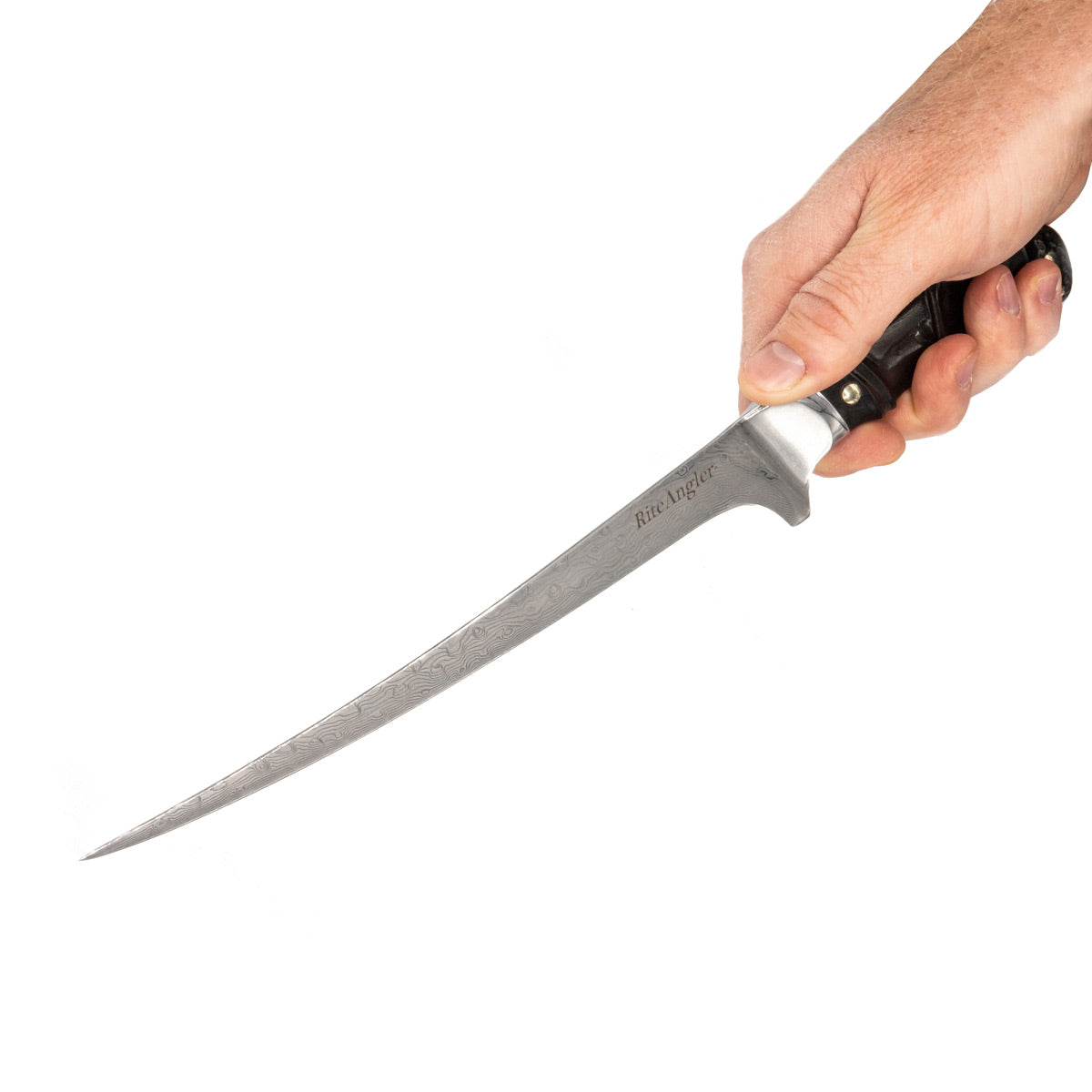
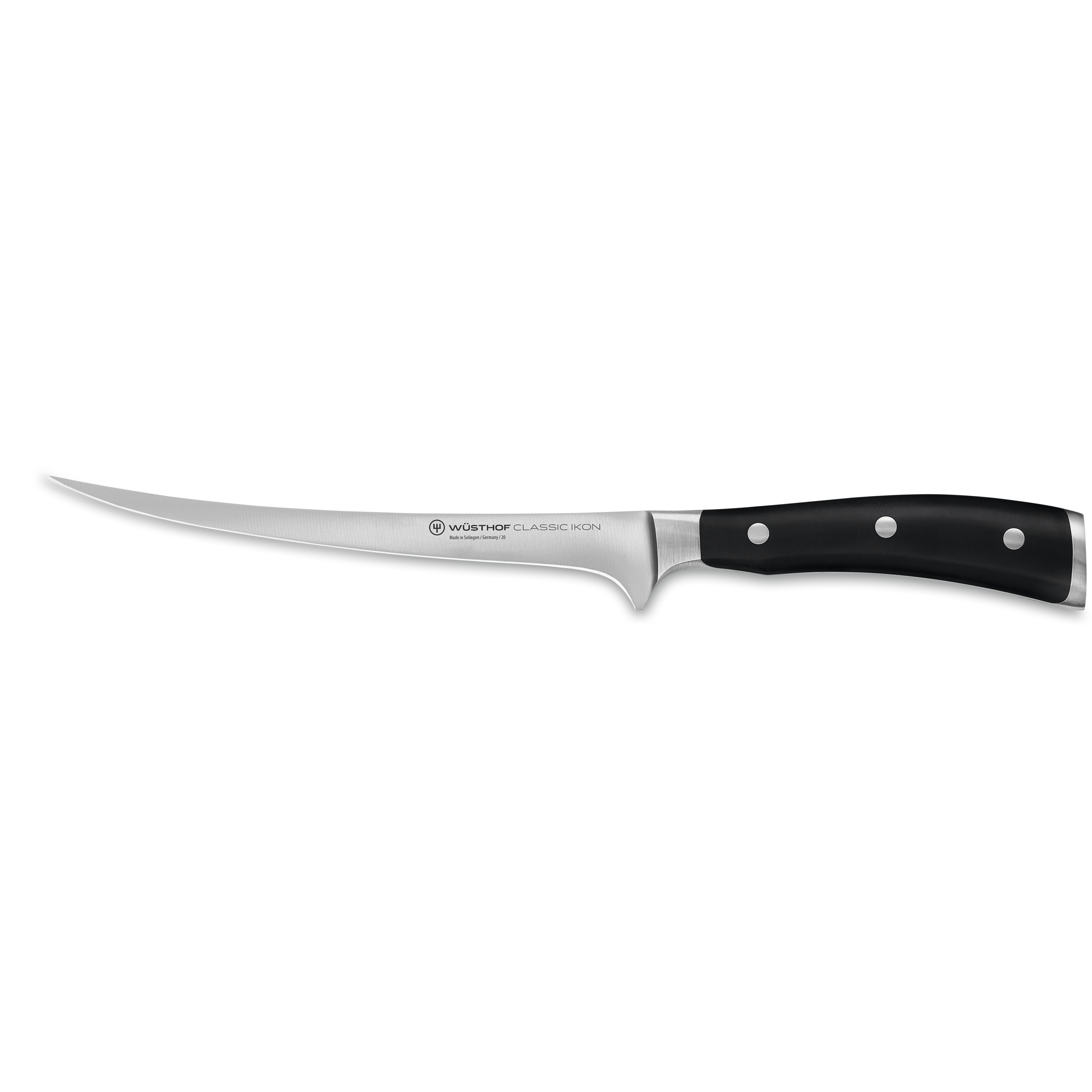
A fillet blade is an essential device for any kind of fish lover, made specifically for the fragile job of removing fillets from the bone. Comprehending its makeup can greatly enhance a user's filleting skills. The blade is usually long, slim, and adaptable, permitting specific motions along the fish's spine and ribs - fillet knife. The sharp edge is essential for tidy cuts that minimize waste and protect the top quality of the meat
The manage, commonly ergonomically made, supplies a secure grasp, which is essential for control during the filleting procedure. It may be made from various materials, consisting of timber or synthetic compounds, each offering different levels of convenience and resilience. The reinforce, situated in between the blade and deal with, includes stability and equilibrium. In general, the careful layout of a fillet knife, from the blade to the deal with, plays an essential duty in ensuring effective and effective fish preparation.
Selecting the Right Fillet Knife for Your Needs
Selecting the ideal fillet blade can significantly impact the effectiveness and quality of fish prep work. When picking a fillet blade, numerous aspects must be thought about, including blade adaptability, size, and product. A blade normally varies from 6 to 9 inches, enabling accuracy based upon the dimension of the fish being refined. Flexibility is crucial; a much more adaptable blade makes it possible for complex cuts around bones and skin, while a stiffer blade gives better control for bigger fish.
The material of the blade also plays a significant function. Stainless-steel is preferred for its corrosion resistance and simplicity of upkeep, while high-carbon steel offers remarkable sharpness but needs much more care to prevent rust. Deal with convenience and hold are similarly crucial, as a safe and secure hold is important for safety and precision throughout filleting jobs. By taking these variables into account, one can select a fillet knife that meets their certain demands and enhances their fish preparation experience.
Important Fish Filleting Techniques
Understanding vital fish filleting strategies is vital for attaining clean and accurate cuts. Appropriate knife grasp plays a substantial duty in control and safety throughout the filleting procedure. Additionally, grasping the detailed process can boost efficiency and results, making sure a high-quality fillet.
Appropriate Knife Grip
Mastering the proper blade grasp is an essential ability in fish filleting that can substantially improve precision and control. A company yet comfortable hold allows the user to assist the knife efficiently along the fish's body. The most effective hold includes holding the manage with the leading hand while pinching the blade's back with the thumb and first finger for included stability. This method gives enhanced control throughout intricate cuts. The non-dominant hand must be made use of to protect the fish, ensuring it stays consistent throughout the process. Proper hold not only improves precision however also lowers the danger of crashes. By concentrating on these crucial facets, filleting becomes a much more efficient and enjoyable job, bring about much better outcomes.
Filleting Process Steps
With a correct blade grip developed, the next step in the fish filleting process entails a series of accurate methods that assure clean and effective cuts. First, the fish needs to be positioned on a stable cutting board, tummy side up. The fillet blade is then put behind the gills, reducing down toward the backbone. A smooth, sweeping movement along the spinal column separates the flesh from the bone. Careful focus is paid to the chest, ensuring all flesh is removed. Once one side is total, the fish is turned to duplicate the process on the other side. Any type of staying bones or skin are trimmed away, generating attractive and tidy fillets ready for food preparation.
Preparing Your Workspace for Filleting
Preparing a workspace for fish filleting is important for efficiency and safety. An organized area, furnished with essential tools, guarantees a smooth process while decreasing the threat of crashes. Applying correct safety measures is vital to safeguard both the individual and the office throughout this cooking job.
Tidy and Organized Location
A well organized and clean work space is important for successful fish filleting. It lessens disturbances and enables for a efficient and smooth procedure. Prior to beginning, the location ought to be removed of any type of unneeded items that could interfere with the task. A sanitized surface, ideally made of non-porous material, is ideal for simple cleaning and to stop cross-contamination. Having all necessary devices within arm's reach, such as reducing towels and boards, can boost efficiency. Additionally, organizing the workspace with assigned places for tools and particles disposal assists maintain cleanliness and order. This preparation not only promotes a much safer atmosphere but additionally improves emphasis, making it possible for filleting strategies to be performed extra efficiently and with higher precision.
Vital Devices Checklist
A reliable fish filleting process counts heavily on having the right devices available. Vital items include a high-grade fillet blade, which assures precision and ease when puncturing fish flesh. A sturdy cutting board is critical for giving a stable surface and shielding counter tops. Additionally, a pair of fish pliers aids in removing bones effectively. Having a sharpener nearby is important to keep the blade's side during the procedure. A container for scraps maintains the work area tidy. Lastly, a towel can assist in dealing with unsafe fish and cleaning surfaces. By collecting these tools, one sets the phase for a successful and enjoyable filleting experience, advertising both efficiency and efficiency.
Appropriate Precaution
Tips for Maintaining Your Fillet Blade
Proper upkeep of a fillet blade is important for ensuring suitable efficiency and long life. Regular cleaning after each use is crucial; an easy clean with warm, soapy water followed by thorough drying out protects against rust and deterioration. It is a good idea to prevent soaking the blade or placing it in a dish washer, as these methods can damage the blade and take care of.
Sharpening the knife periodically is also substantial. Sharpening or making use of a whetstone rod can aid keep a knifelike edge, which is essential for precision filleting. Additionally, saving the blade appropriately safeguards its blade; a knife sheath their website or magnetic strip is chosen over a cabinet where it might come across other tools.
Examining the knife routinely for signs of wear or damages guarantees that it continues to be efficient and safe. By adhering to these maintenance tips, users can extend the life of their fillet blade and boost their total fish filleting experience.
Typical Mistakes to Avoid When Filleting Fish
Filleting fish can be a rewarding experience, however usual blunders can result in squandered meat and aggravation. One frequent error is utilizing a plain blade, which can make precise cuts difficult and cause tearing the flesh. In addition, many amateur anglers forget to effectively scale the fish, making it testing to achieve clean fillets. One more error is not adhering to the all-natural contours of the fish; cutting versus the grain can cause irregular items and lost meat. Failing to remove all bones can also interfere with the final dish, as restaurants may encounter unpleasant shocks. Rushing via the procedure can lead to careless cuts and security risks. By bearing in mind these common mistakes, people can enhance their filleting method and assure a much more efficient and enjoyable experience when preparing fish.
Enhancing Your Fish Meals With Flavorful Marinades and Seasonings
Flavorings play a vital duty also. A spray of sea salt and newly split pepper can highlight the intrinsic tastes of the fish, while flavors such as paprika or cumin can add heat and complexity. Furthermore, incorporating ingredients like ginger or chili can introduce an exciting kick.
Trying out different combinations allows cooks to uncover special tastes that complement various fish types. Eventually, the ideal marinate or spices changes a straightforward fish meal right into a culinary pleasure, making it remarkable for those that delight.
Regularly Asked Concerns
Exactly how Do I Hone My Fillet Knife in your home?
To develop a fillet knife at home, one can use a whetstone or honing pole (best fillet knife for saltwater fish). Keeping a constant angle while developing assurances an effective side, while normal honing maintains the blade in peak condition for filleting
Can I Use a Fillet Knife for Other Kinds Of Meat?
Yes, a fillet knife can be used for other sorts of meat, although its design is maximized for fish. Its adaptability and sharpness might assist in exact cuts, yet certain meat blades are generally much more reliable.
What's the very best Way to Tidy My Fillet Blade After Use?
To clean a fillet knife after usage, one ought to rinse it with warm water, apply light soap, gently scrub the blade with a soft sponge, and extensively completely dry it to stop corrosion and preserve sharpness.
Just how Commonly Should I Replace My Fillet Knife?
A fillet blade must be replaced each to 2 years, relying on use and maintenance. Normal developing and proper care can expand its life, yet signs of wear suggest it's time for a substitute.
Exist Certain Brands of Fillet Knives Recommended for Beginners?
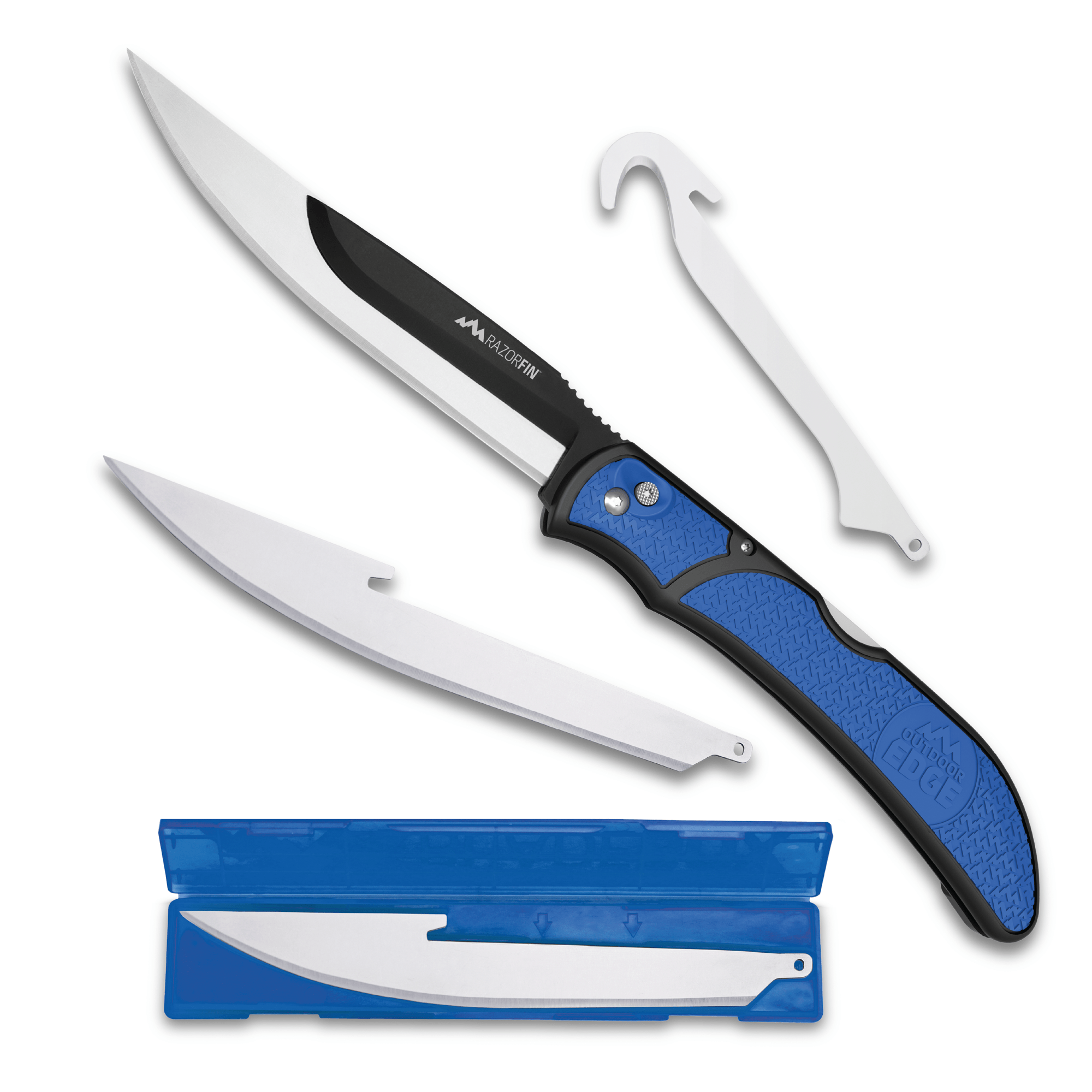
Numerous brand names are suggested for newbies, including Victorinox, Rapala, and Dexter-Russell. These knives use a good balance of top quality, price, and simplicity of use, making them suitable for those brand-new to fish filleting.
A fillet knife is a vital device for any type of fish Bonuses enthusiast, developed particularly for the delicate job of eliminating fillets from the bone. Choosing the proper fillet knife can considerably impact the performance and high quality of fish preparation. Crucial things consist of a premium read this post here fillet blade, which assures precision and convenience when cutting via fish flesh. Appropriately safeguarding the fish with a towel or a specialized fish owner can give extra control. Yes, a fillet knife can be made use of for other types of meat, although its style is enhanced for fish.